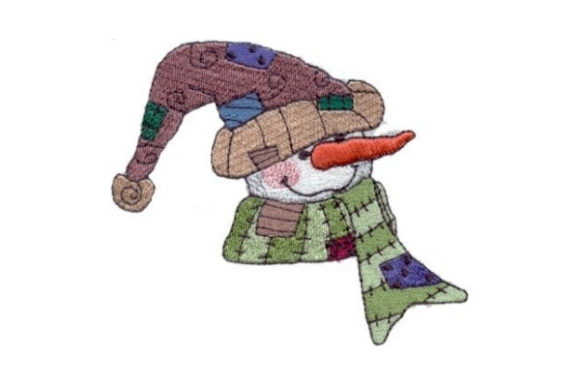
Snowman Scrappy: A Practical Review for Creative Projects
Whenever I’m looking at a new embroidery design for a real project—whether it’s for a client’s custom sweatshirt or a batch of holiday gifts for my small shop—my first question is always about personality. The Snowman Scrappy design has a distinct, cheerful mood right off the bat. It’s not a formal, rigid illustration; it feels playful and handmade, which is exactly the kind of visual warmth customers look for in seasonal items.
The Design's Character and Its Natural Habitat
Scrappy, by nature, suggests a friendly, somewhat irregular charm. This isn’t a perfectly symmetrical snowman, and that’s its strength. The layout and detail level suggest it’s meant to feel approachable and cozy. In my mind, I immediately picture it on a child’s winter beanie, a linen pillow cover for a holiday couch, or the corner of a kitchen towel in a gift basket. It creates a mood of casual holiday joy, not grand spectacle. For creative entrepreneurs, that’s a valuable niche. It fits products where the handmade presentation itself is the selling point.
Putting It to Work: From Tote Bags to Boutique Merchandise
Let’s walk through a real scenario. I’m preparing a series of embroidered tote bags for a local craft fair. I want a winter theme that’s not overly Christmas-specific, to appeal to a broader audience. Snowman Scrappy fits perfectly here. Stitched onto a natural canvas bag, its playful shape would add value without feeling kitschy. The stitch clarity, assuming a good machine embroidery file, would be key. On a textured fabric like canvas, a design with too fine detail can get lost, but Scrappy’s likely larger, simpler forms should hold up well.
For apparel decorators, consider a soft, cotton-blend sweatshirt. This design feels like it belongs on the left chest or sleeve. It’s a statement, but not an overwhelming one. For baby clothes or nursery decor items, it’s suitably sweet without being overly delicate. As an Etsy seller, I’d think about pairing it with a personalized name underneath for a unique holiday gift. The design’s inherent friendliness boosts the giftability of any product it’s applied to.
Where Caution is Needed: Fabric and Scale
This is where practical judgment comes in. While the mood is right for many products, the execution matters. If the design has very dense stitch areas—common in some fill stitch elements—I’d be careful with thin or stretchy fabrics like lightweight tees. The pull could distort the fabric or the design itself. Always use the proper stabilizer for the base material.
Dark fabric backgrounds are another consideration. The winter theme suggests lighter thread colors. Without strong contrast, the design could lose its visual appeal and stitching clarity. Before running it on a dark heather gray hoodie, I’d test it on scrap fabric first and possibly adjust my thread palette. On curved surfaces like caps, the design’s overall shape would need to be checked for potential distortion at the seams; a simpler, more centralized layout typically works better.
For products needing frequent washing, like baby items or kitchen linens, inspecting the stitch density is crucial. Overly dense areas can wear faster. The design’s charm should survive the laundry cycle to maintain customer trust.
Professional Impact: Beyond the Stitch
For small business owners and makers, using a design like Snowman Scrappy affects more than just the finished product. It impacts brand consistency. If your shop specializes in whimsical, handmade goods, this design aligns perfectly. If your aesthetic is more minimalist, it might not fit. Its recognition factor is high—a friendly snowman is instantly understood—which helps in buyer engagement for online listings or printable mockups.
Using it for commercial embroidery projects or as part of your craft business’s seasonal lineup requires one crucial step: confirming the licensing. Since it’s listed under Freebies and Embroidery, the terms for commercial use may vary. Always check this before selling the finished product or incorporating it into your digital product previews. This protects your professionalism and avoids future issues.
Essential Designer Notes Before You Hoop
My routine before committing any design to a final project involves a few practical checks. For Snowman Scrappy, I’d run a test on my standard scrap fabric—a mid-weight cotton—to see how the embroidery file performs. I’d review the stitch count and density if provided, and confirm the minimum hoop size required. Inspecting small details, like any tiny decorative accents or potential running stitch outlines, ensures they’ll be clear on the final product.
I always test the design in both light and dark fabric mockups, even simple black and white digital previews, to judge contrast. This is especially important for a seasonal design where you might want to offer it on various apparel colors. For handmade products, the choice of thread colors can elevate the design; a slightly unconventional palette (maybe soft blues and grays instead of stark black) could make it feel even more unique and increase its product value.
Ultimately, Snowman Scrappy strikes me as a versatile, mood-setting machine embroidery design. It’s not just a digital asset; it’s a tool for creating products that feel personal and joyful. Whether you’re an apparel decorator stitching it onto a holiday apron, a hobbyist making a personalized gift, or a digital product seller offering it as part of a collection, its practical charm is its biggest asset. Approach it with a mindful eye for fabric and scale, and it will likely become a reliable part of your winter project lineup.