Papa Bear Embroidery: A Design Review for Boutique Brands
As an embroidery designer preparing a new sweatshirt collection for a small boutique, every digital file undergoes a practical and aesthetic review. Today, it’s the Papa Bear Embroidery Design. The description promises a minimalist, elegant line-art illustration capturing the gentle side of fatherhood. That’s a powerful starting point for a brand story.
The First Impression: Mood and Line Art
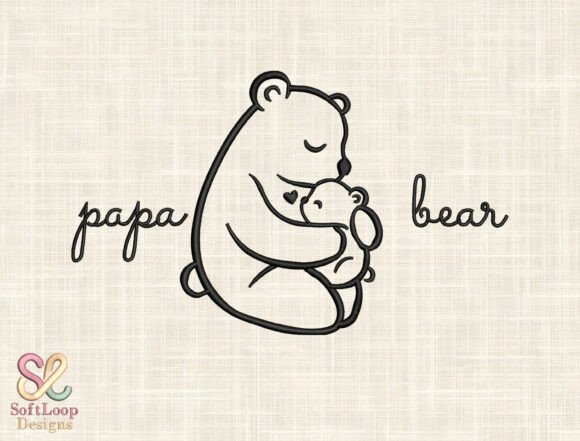
The initial feeling is one of quiet strength. A minimalist papa bear tenderly holding a baby bear suggests a clean, narrative-driven design. This isn’t a loud or cartoonish graphic; it’s decorative yet deeply sentimental. The mood leans towards premium, rustic, and heartfelt, with a touch of casual charm. For a boutique brand, this emotional resonance is gold. It translates directly into lifestyle product photography and customer engagement, picturing the design on cozy seasonal apparel like an oversized hoodie or a classic crewneck.
Application on Boutique Sweatshirts: A Real Scenario
Imagine this embroidery file applied to a premium sweatshirt drop. On a neutral heather gray sweatshirt, the Papa Bear design would pop with elegant contrast, feeling both minimal and decorative. On dark fabric—a deep charcoal or black—I’d recommend a bright white or soft cream thread for maximum readability and that ‘premium’ handmade presentation. On pastel colors, like a light sage or blush, a classic black or charcoal thread would ground the design, making it feel bold yet cute.
The chest placement is ideal. It’s a statement without being overwhelming. For sleeve accents or a smaller back design, we must consider small-size readability. This is a crucial practical concern. If the line work is too fine or details are too tight, they might not stitch cleanly on a smaller scale or on textured fabric. Always check the design’s intended minimum hoop size before planning placements.
Practical Designer Concerns for Commercial Use
For commercial embroidery on apparel, durability and clarity are paramount. Let’s walk through the checklist.
Thread Color Contrast: This line-art design relies entirely on contrast. Choosing thread colors that stand against the base fabric is the first step to ensuring a strong finished product.
Stitch Density and Fabric: Sweatshirt fabric has thickness and texture. A design with high stitch density might feel too stiff or pucker. A minimalist design, like this one, often uses lighter fill patterns or outlines, which can be perfect for maintaining the garment’s softness. However, we need to verify the actual stitch density in the file.
Stabilizer Choice: A good cut-away stabilizer is my go-to for sweatshirts. It provides lasting support, ensuring the Papa Bear design holds its shape through washing and wear, which builds buyer trust.
Hoop Placement and Washing: Proper hooping on knit fabric prevents distortion. A clean stitch-out here will look professional for years, elevating the product value from a simple sweatshirt to a cherished branded item.
Elevating Brand Identity and Handmade Presentation
For Etsy sellers and small shop owners, this design isn’t just a graphic; it’s a brand asset. It offers strong visual recognition—customers will remember the gentle papa bear motif. When aligned with a Father’s Day collection or a general ‘cozy family’ theme, it creates a cohesive brand identity. The handmade embroidery itself tells a story of care, adding tangible value over a printed graphic.
Using this machine embroidery design on custom apparel, like limited hoodies, allows a boutique to offer something unique. In mockup previews and Etsy listings, showcasing it on a well-photographed sweatshirt immediately communicates quality. It feels authentic.
A Final Word Before Production
The Papa Bear Embroidery Design, from its description, feels strong enough for commercial apparel use, leaning into a premium, rustic, and emotionally engaging aesthetic. Its minimalist nature should adapt well to various sweatshirt colors and styles.
However, my professional reminder: the description provided doesn’t include exact stitch count, specific file formats, or definitive minimum hoop size. Before moving to production, always review those technical details in your digital embroidery file. Confirm it’s suited for your fabric thickness and intended hoop size to guarantee that the final embroidered product reflects the gentle strength you see in the preview. Then, stitch it with confidence onto your blank sweatshirts, and watch it become the centerpiece of your next boutique drop.