A Designer’s Review of the Mom’s First Mother’s Day Embroidery Design
A First Impression That’s Both Sweet and Sophisticated
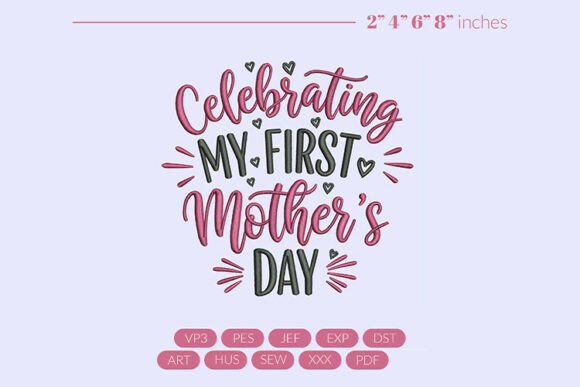
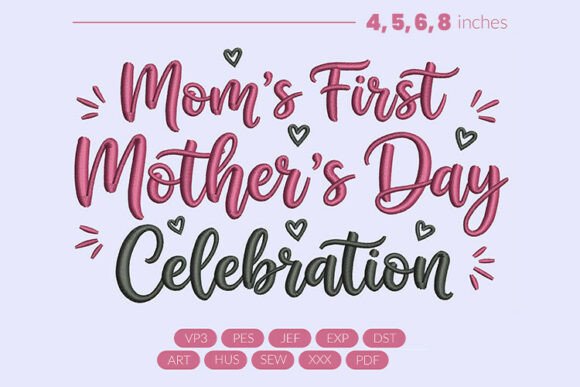
When you first open the Mom’s First Mother’s Day Design, the mood is immediately clear. It’s celebratory and tender, but avoids being overly cute. The elegant script lettering gives it a sophisticated, almost handwritten feel, while the heart accents provide that universal symbol of love without overwhelming the layout. This balance is its greatest strength. It doesn’t scream “baby”; it whispers “meaningful milestone.” For a professional embroidery project, this visual personality is perfect for clients who want a keepsake that feels special and mature, not just another generic holiday item.
The Natural Project Fit: From Keepsakes to Boutique Merchandise
This embroidery design naturally belongs to a specific family of projects. Picture a custom embroidered tote bag for a new mom—something she can use daily that carries a private, beautiful message. Or a soft, high-quality sweatshirt, a personal gift she’ll wear comfortably. It’s also ideal for baby embroidery on a blanket or a delicate pillow cover for the nursery, transforming a practical item into a sentimental anchor. As a small shop product, this design elevates simple items. A plain kitchen towel or apron becomes a boutique-ready holiday gift with this stitching. For Etsy sellers and craft business owners, it’s a reliable design asset for creating personalized products that customers connect with emotionally.
Where It Excels on Real Fabrics and Products
In real-life embroidery situations, the design’s performance hinges on its clean layout. The script, while elegant, appears to have enough stroke width to maintain clarity when stitched. On a mid-weight custom apparel like a sweatshirt or polo, the stitch density should look substantial without being bulky. On a tote bag’s sturdy canvas, the fill stitch areas and satin stitch borders will pop nicely, adding perceived value. For baby clothes, choosing a soft, stable fabric like a cotton knit is key; the design’s sentiment is perfect, but the fabric must support the detail. As an embroidered patch, it would become a beautiful, standalone piece for a scrapbook or jacket. This versatility makes it a strong candidate for both commercial embroidery projects and heartfelt handmade products.
Caution Areas: Where to Apply Extra Care
Every design has its sensitive spots, and a practical review must highlight them. The Mom’s First Mother’s Day Design should be used carefully on very small hoop sizes. If the included sizes include a very small version, the elegant script and small heart details could become cramped, risking a loss of stitching clarity. Textured fabrics or very thin fabric might distort those clean lines. Stretchy fabric demands excellent stabilizer to keep the lettering sharp. On dark fabric, the thread color contrast becomes paramount—a bright, crisp white or a soft pastel would be essential to maintain the design’s gentle mood. Applying it to curved surfaces like caps requires careful positioning to ensure the script flows naturally along the curve. Always inspect the tiny lettering and decorative accents in your software preview; if any corners are overly detailed, you might need to adjust your stitch density or stabilizer choice.
The Impact on Your Business and Your Client
Using a design like this affects more than just the stitch. It influences visual appeal immediately; a well-executed version looks professional and thoughtful, building customer trust. For a creative entrepreneur, it reinforces brand consistency if your shop specializes in meaningful, clean gifts. Its high giftability and instant recognition of the occasion drive buyer engagement. When a customer sees this on a finished product, the handmade presentation feels intentional and skilled, not amateurish. This directly supports selling it as a premium item in your Etsy listings or craft fair products.
Practical Notes From the Hoop
Before loading this digital embroidery file for a real project, here are my grounded recommendations. Always test the design on scrap fabric first, using the same material and stabilizer you plan for the final item. This reveals how the fabric texture interacts with the stitches. Check thread color contrast thoroughly; run a mental test for both light and dark backgrounds. Review stitch density in your machine software—does it look balanced? Confirm hoop size compatibility with your machine and the physical product. Inspect small details like the heart accents: will they require special attention during stitching?
It’s also wise to test it in black and white mockups to see the pure shape, and compare light and dark fabric backgrounds in your digital preview. For any project, use proper stabilizer—this is non-negotiable for preserving the design’s elegance. Crucially, check whether the design works for both personal and commercial projects. The product description doesn’t specify licensing, so you must confirm licensing before selling finished items or digital products. This step protects your small business and respects the designer’s work.
A Design Built for Real Celebration
Ultimately, the Mom’s First Mother’s Day Design feels like a tool built for real celebration. It’s not just a digital file; it’s a blueprint for creating something that will be held, worn, and cherished. Its strength is in its emotional resonance paired with a technically thoughtful layout. Whether you’re an apparel decorator running a client order, a hobbyist making a gift for a friend, or a digital product seller evaluating its potential, this design passes the practical test. It invites a beautiful stitch and promises a finished product that truly honors the occasion. Just remember to do your due diligence with testing and licensing, and it will likely become a reliable part of your embroidery project repertoire for years to come.